Of the 1550 people polled between 6-12 October, 63% believe Australia should consider nuclear power. Nearly as many - 60% - believe nuclear power will be part of Australia's future energy mix, while 59% support developing nuclear power in Australia to strengthen the nation's energy sovereignty. Just over half - 56% - support removing Australia's legislative restrictions to allow nuclear energy to be considered.
The poll also revealed concerns about Australia's ability to meet its electricity needs, with 57% of those polled saying they are not confident Australia's existing electricity options can meet growing demand from artificial intelligence, data centres and electrification.
Support for nuclear was found across political lines, Australia for Nuclear said, with 48% of Labor voters and 44% of Green voters believing nuclear should be considered. 54% of Labor voters, and 70% of Coalition voters, expect it to form part of the nation's future energy mix. (The Australian Labor Party is Australia's current governing party, while the Liberal-National Coalition, a long-running alliance of the Liberal Party of Australia and the National Party - the main opposition).
Nuclear for Australia was founded in 2022 by pro-nuclear activist Will Shackel, who was 16 at the time. The board of the organisation - which is a registered charity in Australia - is chaired by Adrian Paterson, former CEO of the Australian nuclear science and technology organisation ANSTO.
Australia has mined uranium since the mid-1950s but - despite ANSTO's long experience operating research reactors, and a significant infrastructure to support it - uses no nuclear power. With huge coal resources and significant amounts of natural gas, its electricity generation has been reliant on fossil fuels. There are several legal hurdles that would impede any consideration of nuclear power, including the Environment Protection and Biodiversity Conservation Act 1999 and Australian Radiation Protection and Nuclear Safety Act 1988, federal legislation that would need to be amended to remove prohibitions against effective regulation of nuclear power.
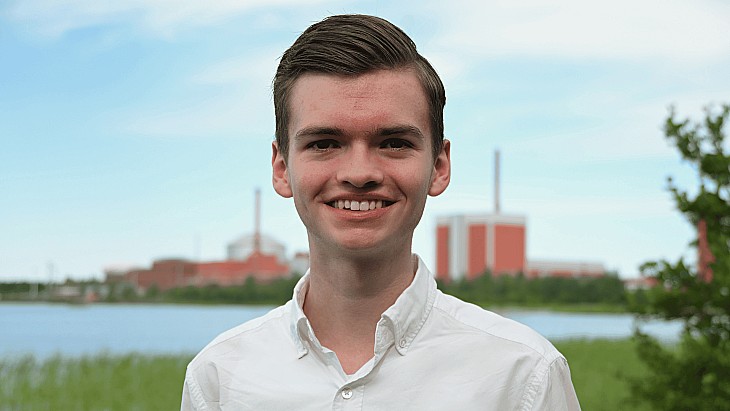
Will Shackel (Image: Nuclear for Australia)
Shackel said the poll "overwhelmingly" shows that Australians want all energy options on the table, including nuclear, and its findings should be a "wake-up call" for policymakers.
"In an increasingly uncertain world, energy sovereignty matters more than ever. Australia needs an affordable, reliable and clean energy grid to support its economy and attract investment in AI and data centres. Nuclear energy is not about choosing between nuclear and renewables. It's about making sure Australia has the energy mix it needs for the future. Nuclear is the only carbon-free baseload option to support renewables," he said.
"Lifting the legislative bans wouldn't mean committing Australia to new nuclear power plants tomorrow, but simply allow nuclear energy to be properly considered, assessed and debated alongside other technologies."
Paul Smith of YouGov said the research provided a detailed picture of Australians' attitudes towards nuclear energy.
"What stands out in these findings is the breadth of views across different voting groups. The results show that attitudes towards nuclear energy cannot simply be reduced to traditional political divisions."