The International Atomic Energy Agency project description - Optimising the Design of Experiments for Fuels and Materials Testing in Research Reactors - says that "as global efforts intensify towards advanced nuclear systems, fusion energy, and next-generation reactor technologies, there is a growing demand for sophisticated testing of fuels and materials to support innovation and qualification procedures".
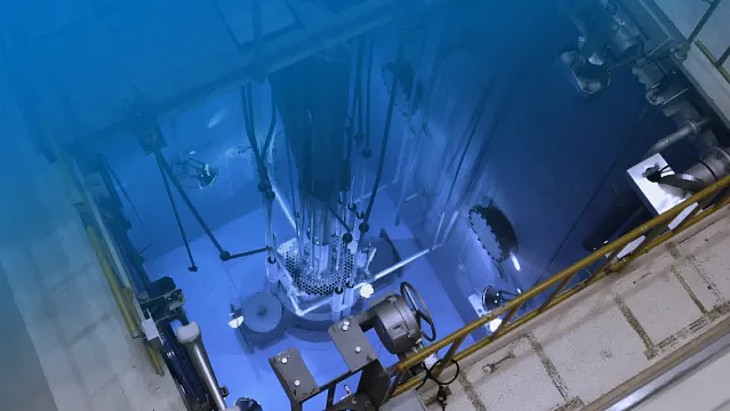
It says there are 228 operational research reactors across the world, with 65 engaged in fuel and materials testing and at least 14 more under construction, or planned.
"Irradiation testing in these reactors is central for qualifying new fuels and materials and ensuring safety and performance. Current methods may be limited in turnaround time, standardisation, and instrumentation, potentially impeding progress for stakeholders. The project seeks to improve throughput and fidelity and adapt to evolving requirements for newer fuels and materials, through information sharing, new testing devices developments, and establishment of a methodology for the design of experiments - thereby enhancing the efficiency and value of each experiment," the project paper says.
The project will examine irradiation devices such as capsules, rigs and loops as well as technologies for monitoring and controlling testing conditions during irradiation.
Petr Chakrov, Head of the IAEA's Research Reactor Section, said: "Research reactors have a distinctive role in supporting the safe deployment of new fuels and materials for nuclear energy production. They also support the supply of medical radioisotopes. By improving the way experiments are designed, we can help countries make the best use of existing testing capabilities, plan new ones and foster innovation across the nuclear sector."
The Coordinated Research Project is open for proposals from those wanting to get involved.


_51287.jpg)