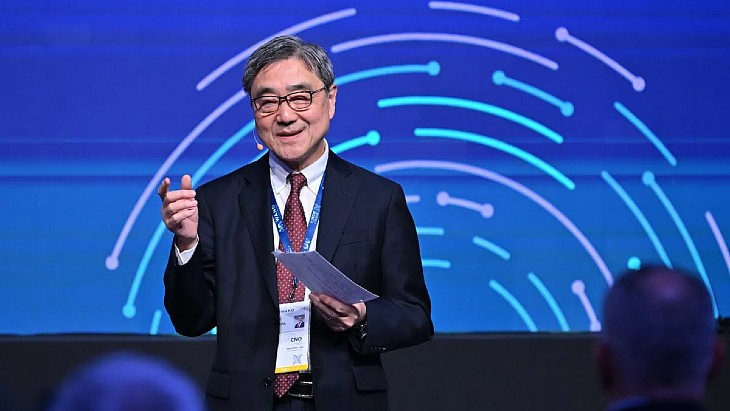
World Association of Nuclear Operators (WANO), which has traditionally focused on peer review visits to nuclear units every four years, is now also getting key data from each of the world's nuclear energy units each quarter.
There are around 60 different performance indicators being looked at, CEO Naoki Chigusa told World Nuclear News. This is generally "leading information", he said, such as whether or not maintenance backlogs are increasing.
Chigusa added that with a 35-year history of peer review reports - more than 1,000 have been completed during that time - the organisation has, helped by AI and machine learning, digested all that material and drawn up performance indicators which past events and performance analysis show can be precursors to important performance problems.
This stream of data means WANO can now come up with quarterly reports and provide plants with continuing feedback on areas where things are going well, or "predict" where there may be trends which need action. This information can be combined with the usual WANO visits to units.
"This can help the member identify early signs of performance decline, and take action to arrest that trend. And on our side it helps us to identify which units might need assistance so we can use our resources effectively - the aim is to help members achieve the highest levels of nuclear safety," he said.
The performance indicators in the Enhanced Performance Monitoring target seven key areas: Organisational effectiveness; operations, operational focus, engineering, equipment reliability, maintenance and work management.
The background
WANO aims to connect every company and country in the world that has an operating nuclear power plant, or a new unit under construction, “to achieve the highest possible standards of nuclear safety”.
It was created following the Chernobyl accident in 1986, an event which "made it clear that an event at one plant impacted every plant and that nuclear safety was everyone’s business". It operates with strict confidentiality, allowing experts from operating units to carry out peer reviews at other member units, where, using their experiences, they can provide support and advice.


_29695_19459.jpg)
_98552.jpg)
_1_12560.jpg)
_22582.jpg)


_84289_33276.jpg)