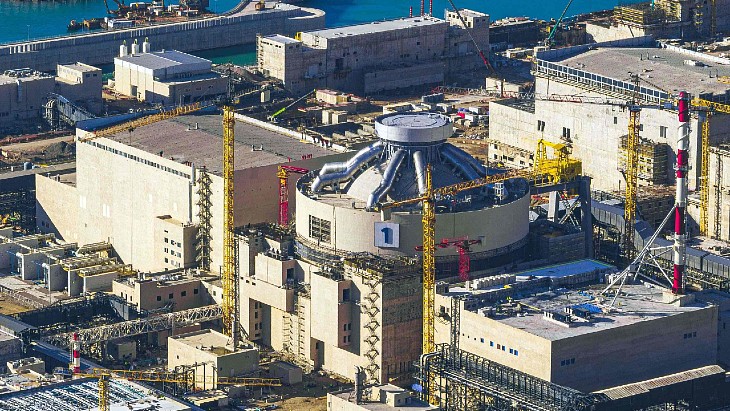
As part of the tests for what is Turkey's first nuclear power unit, the air pressure was increased to 0.46 MPa, with the load on each square metre of the containment surface equivalent to the weight of approximately 47 tonnes.
The air pressure was reduced in stages, including to below atmospheric pressure with checks of the condition of the containment "including stresses within the structure and changes in its shape and dimensions under load".
There were also leak-tightness checks at both elevated and reduced pressure.
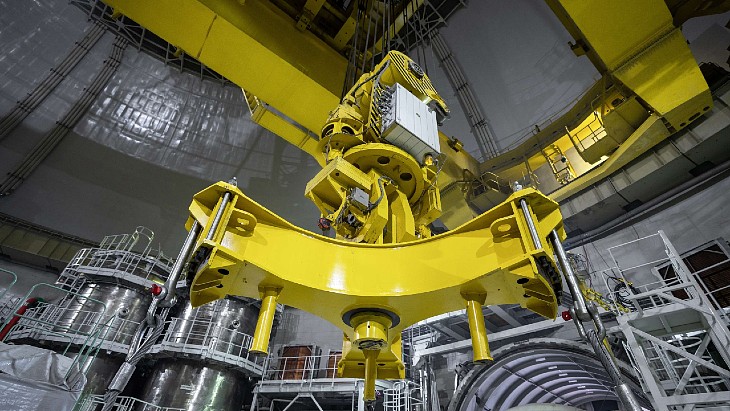
(Image: Akkuyu Nuclear JSC)
Sergei Butckikh, Akkuyu Nuclear JSC Chief Executive Officer, said: "The results confirm the high quality of the containment construction work and enable us to move shortly to the next stage of pre-start-up commissioning: cold and hot functional testing of the reactor plant."
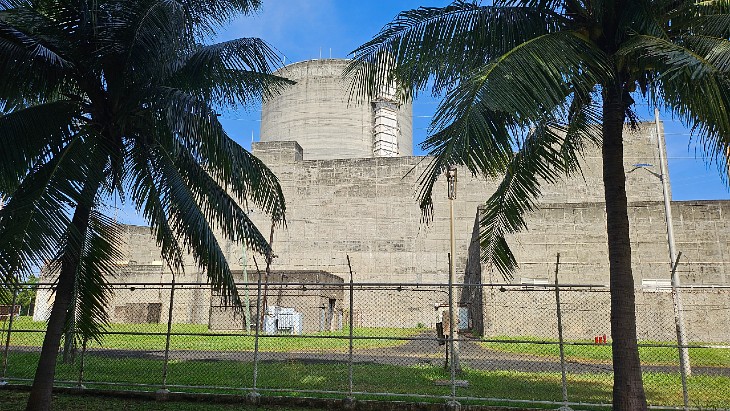
The containment is the circular-shaped building within which the nuclear reactor sits. The VVER-1200 plant design has two containments - the internal one protects the main reactor equipment and prevents any release to the environment, while the external containment building is made up of reinforced concrete and is also designed to protect the unit from extreme external events.
Background
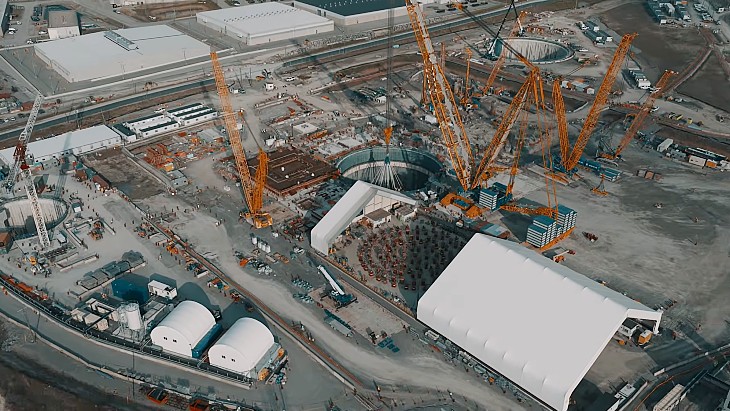
Akkuyu, in the southern Mersin province, is Turkey's first nuclear power plant. Russia's state nuclear corporation Rosatom is building four VVER-1200 reactors, under a so-called BOO (build-own-operate) model. According to the terms of the 2010 Intergovernmental Agreement between the Russian Federation and the Republic of Turkey, the aim was for the commissioning of the first power unit of the nuclear power plant to take place within seven years from receipt of all permits for the construction of the unit.
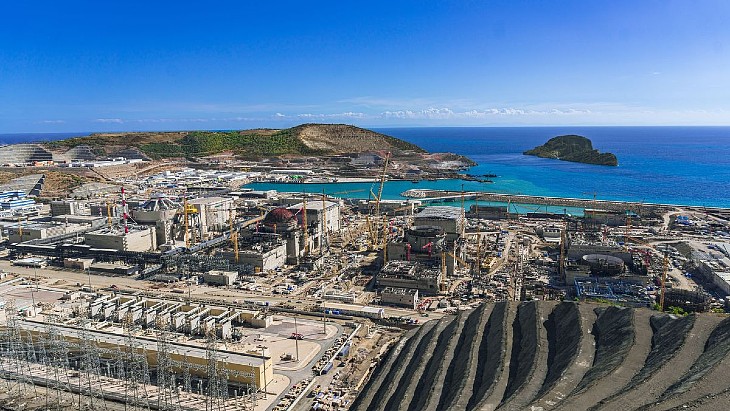
(Image: Rosatom)
The licence for the construction of the first unit was issued in 2018, with construction work beginning that year. Nuclear fuel was delivered to the site in April 2023. The aim has been for unit 1 to begin supplying Turkey's energy system by the end of 2026. First concrete was poured for unit 4 in July 2022.
When the 4,800 MWe plant is completed, it is expected to meet about 10% of Turkey's electricity needs.
Turkey has plans for a second nuclear power plant, at Sinop, and has also been in talks with China about plans for a third plant, in the Thrace region in the country's north-west.
According to a Bloomberg report earlier this week, Turkey's Energy Minister Alparslan Bayraktar said the country was in talks with Canada and South Korea about new nuclear power projects and expected to finalise its partners in the next few months. On Thursday AtkinsRéalis's Candu Energy Inc and state-owned Türkiye Nükleer Enerji Anonim Şirketi signed a memorandum of agreement which includes a feasibility study for a potential 4.5 GW plant featuring up to six Candu reactors.
The country is also developing plans for small modular reactors, with the aim of adding 5 GWe of capacity by 2050 - which would mean the equivalent of at least 16 individual SMRs.