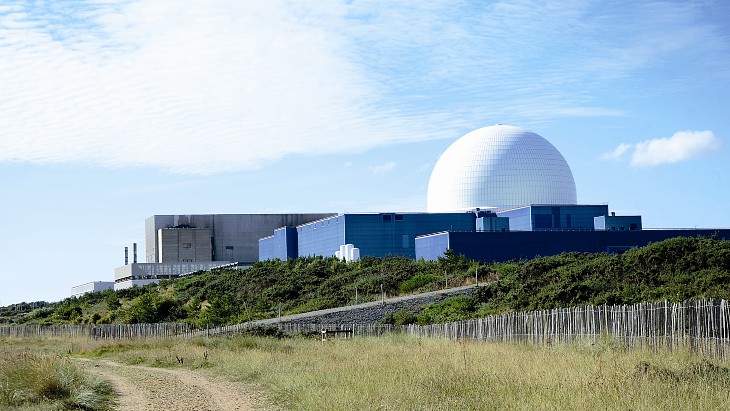
The pressurised water reactor, which came online in 1995, had an initial 40-year operating life to 2035. Following the agreement on financing, EDF will fund GBP800 million (USD1 billion) of refurbishment works to be carried out during planned outages over the next 15 years.
These works include installing a new environmental monitoring system and new automated plant monitoring systems, as well as replacing pipework, valves and pumps across the site.
The heads of terms for a contract for difference agreement includes a strike price of GBP70.50 per MWh for the period 2035 to 2055. That price is lower than the one agreed for Hinkley Point C, and below the current wholesale price, which is higher as a result of the impact of on-going global crises.
A contract for difference is where the operator is refunded the difference if the electricity price drops below the agreed strike price. If the electricity price is above that level the operator pays back the difference.
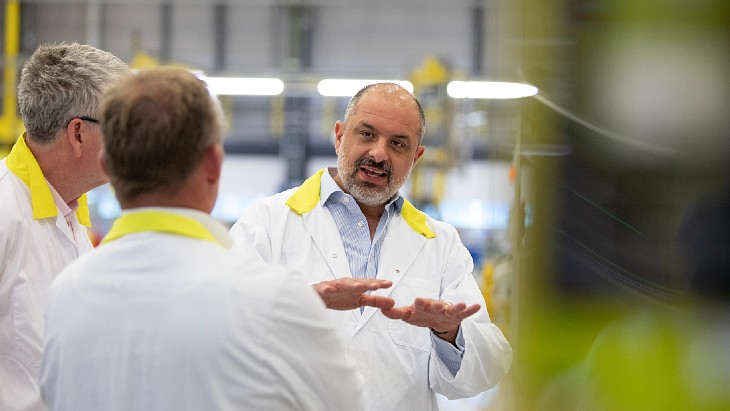
Simone Rossi, CEO of EDF UK, said: "Global events demonstrate time and again how vital it is for the UK to secure long-term, low-carbon, homegrown electricity which protects British households and businesses from market volatility. Extending the life of the plants we already have alongside building new ones is central to EDF's strategy."
UK Energy Secretary Ed Miliband said: "Nuclear power is vital for our energy security, and this extension will help produce the clean power our country needs."
Minister for Science, Innovation, Research and Nuclear Lord Vallance said: "This deal protects billpayers and boosts the country’s energy security by continuing to provide clean, secure power for millions of households."
Chris O'Shea, CEO of Centrica, said: "I'm delighted that Sizewell B, in which Centrica owns a 20% share, will continue to play a key role in the UK's energy system for decades to come. Generating around 3% of the UK's electricity, We welcome the constructive engagement with government in reaching this agreement, providing the certainty needed to support the required investment."
The agreement is subject to finalisation, which is expected to happen later this year.
What the regulator says
The Office for Nuclear Regulation said: "We regulate in an enabling manner, working constructively with EDF on their plans to extend the life of their nuclear plants by reviewing technical and safety case considerations while ensuring it achieves the required standards of safety and security in the most practical way.
"Although their plant life extension decisions do not need formal regulatory assessment or permissioning by ONR, it is a requirement of the site licence that operations be carried out under a valid safety case. Our regulatory activity evaluates the adequacy of both the safety case, the security plan and their implementation.
"Safety cases at Sizewell B are likely to require updating to achieve EDF's stated ambition, together with investment in plant to sustain equipment reliability, all while ensuring that the necessary people and skills are available throughout the extended lifetime. Security plans also require updating to ensure they remain robust and responsive to the evolving security landscape. The ongoing safety and security of operations at any nuclear site must be fully demonstrated to us as part of ongoing regulation which will be informed by our extensive, proportionate and targeted inspection and assessment regime."
Background
The UK generates about 15% of its electricity from about 5.9 GWe of nuclear capacity, however most existing capacity is to be retired at the end of the decade. The first of a new generation of nuclear plants is under construction at Hinkley Point C and a final investment decision has been confirmed for a second plant, Sizewell C, alongside Sizewell B. They are due to come online in 2030 and the late 2030s, respectively. There are also plans for small modular reactors. The UK is aiming for up to 24 GWe of new nuclear capacity by 2050 to provide about 25% of electricity.
EDF manages the UK's eight nuclear power plant sites, five that are operating (Sizewell B, Torness, Heysham 2, Heysham 1 and Hartlepool) and three that have entered decommissioning (Hunterston B, Hinkley Point B and Dungeness B). It took over the sites when it acquired British Energy in 2009. As well as extending their lives to 2030, subject to regular regulatory checks, it is also building the two new plants.
Sizewell B is the UK's only pressurised water reactor and has more potential for life extensions than the Advanced Gas Cooled Reactor (AGR) fleet. In the USA, a number of pressurised water reactors have had their operating licences extended twice, to 80 years. So far, Sizewell B has produced more than 270 terawatt-hours of electricity since 1995, enough to met the needs of every household in Suffolk and Norfolk for more than 100 years. About 900 people are employed at the plant.
Tom Greatrex, Chief Executive of the UK’s Nuclear Industry Association, said: "Sizewell B is the cleanest, most productive and most reliable plant in the whole country, so extending its life is one of the best things we can do to build an affordable and reliable clean power system. It will provide the vital baseload we need to stabilise the grid, cut gas imports, and cut bills."


_89651.jpg)
_29695.jpg)
_20852.jpg)