In February 2022, President Emmanuel Macron announced that the time was right for a nuclear renaissance in France, extending the operation of existing nuclear reactors and unveiling a proposed programme for six new EPR2 reactors, with an option for a further eight EPR2 reactors to follow.
The EPR2 reactor is a pressurised water reactor project developed by EDF and Framatome. It meets the general safety objectives of the third generation of reactors. Its aim is to incorporate design, construction and commissioning experience feedback from the EPR reactor, as well as operating experience from the nuclear reactors currently in service.
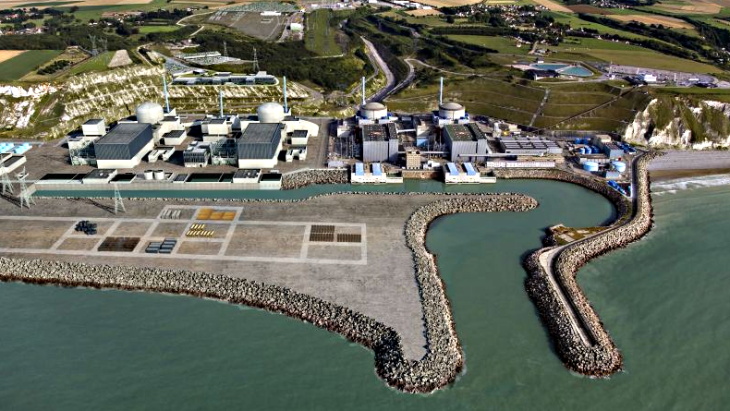
The first six EPR2 reactors are to be built at Penly, Gravelines and Bugey, all of which are already home to operating nuclear power plants, with construction pencilled in to start in 2027. Each of the three sites will house a pair of EPR2 reactors, starting with Penly, where preparatory works began in 2024. Penly will serve as a pilot and provide a reference for subsequent projects. The cost was originally estimated at EUR51.7 billion (USD56.4 billion), but this was revised to EUR67.4 billion in 2023. In December last year, EDF said its preliminary cost estimate to build the six EPR2 reactors was EUR72.8 billion (USD80.1 billion), at 2020 prices.
In March 2025, France's Nuclear Policy Council confirmed the main principles and parameters of the financing and regulatory framework for the EPR2 programme. The subsidised loan from the State granted to the EPR2 programme for 60% of the total amount of the programme will be financed by the savings fund of the Caisse des Dépôts. The reactors would also benefit from a contract for difference (CfD) with a strike price of no more than EUR100 (in 2024 euros) per MWh. This mechanism is intended to help cover the full production costs incurred by EDF, with the State making payments to the company whenever market prices fall below this level.
In a new report on state support for energy production, the Court of Auditors has now calculated the cost of the project at EUR84 billion at 2025 values.
It added: "At [electricity] prices below EUR70/MWh, EDF's financing requirements for the construction of future EPR2 reactors would increase significantly. This would also constrain the group's ability to fund the programme without additional state contributions - beyond the subsidised loans already announced - a point highlighted by the Court in its recent report on EDF's economic model.
"In unfavourable price scenarios, one option available to the State would be to forgo cash dividends for all or part of the EPR2 construction period. Depending on the scenario, this could affect the trajectory of public finances by as much as EUR65 billion in cumulative terms between 2026 and 2040. As for the contract for difference mechanism, it will have no budgetary impact until the first EPR units are commissioned - which, at the earliest, would be in 2038."
The European Commission launched an in-depth investigation in April into whether France's planned public support for its new nuclear programme was within the European Union's rules on state aid. France says the new nuclear plans aim to increase energy security for France and neighbouring countries, as well as contributing to the EU's decarbonisation targets.