_74861.jpg)
Earlier this year, the 'No to New Nuclear Power Stations' coalition - comprising the Greens, the Socialist Democrats, the Green Liberal Party and various other organisations - launched an initiative to block the construction of new nuclear power plants in Switzerland. Building new nuclear plants would make the country dependent on foreign energy, cost billions and hinder the development of renewable energy, according to the initiative committee. The committee had until 8 October to collect 50,000 signatures for the referendum to go ahead.
The coalition claims to have now collected more than 131,800 signatures in support of the referendum, which have been submitted to the Federal Chancellery in Bern.
If the referendum is officially approved, Swiss voters are likely to be able to vote on the legislative amendment on 28 February 2027 at the earliest, according to SWI swissinfo.ch.
In late September, an alliance including economiesuisse, the Swiss Nuclear Forum, the Swiss Business Federation (SGV), Swissmem, Centre Patronal, scienceindustries, Axpo, Alpiq, BKW and the Association of Swiss Electricity Companies (VSE) launched a campaign for a 'yes' vote in the upcoming referendum on the revision of the Nuclear Energy Act, thereby lifting the ban on the construction of new nuclear power plants.
This initiative is part of the indirect counter-proposal to the Federal Council's 'Stop the Blackout' initiative. The counter-proposal calls for lifting the ban on building new nuclear reactors, which has been in place since 2018. Parliament has approved the counter-proposal.
The Alliance for Secure Electricity Supply aims to demonstrate, in the run-up to the referendum, why Switzerland should keep all options open to ensure a secure electricity supply in the long term.
"Lifting the construction ban does not mean that a new nuclear power plant will be built," the alliance notes. "It will simply provide the legal framework for examining a concrete project, if necessary. Issues related to safety, financing, and location would only be addressed within the applicable permitting procedures. Democratic participation rights will remain unchanged."
Background
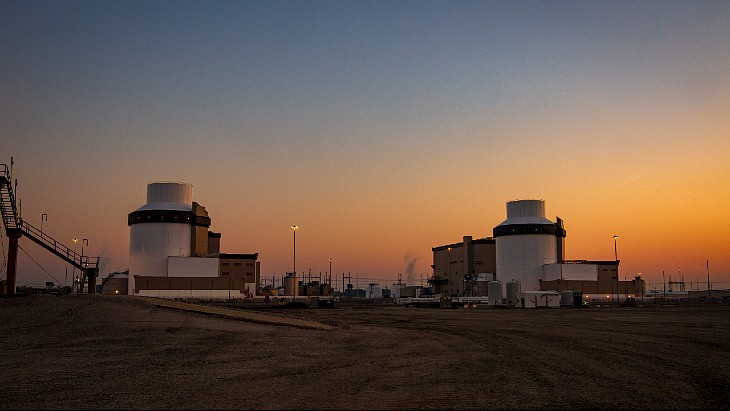
Switzerland currently has four nuclear power reactors - two at the Beznau plant and one each at the Gösgen and Leibstadt plants - generating about one-third of its electricity. They all have an unlimited operating licence and can be operated as long as they are safe.
A new Swiss energy policy was sought in response to the March 2011 accident at the Fukushima Daiichi plant in Japan. Two months later, both the Swiss parliament and government decided to exit nuclear power production. The Energy Strategy 2050 initiative drawn up by the Federal Council came into force on 1 January 2018 and calls for a gradual withdrawal from nuclear energy. It also foresees expanded use of renewables and hydro power but anticipates increased reliance on fossil fuels and electricity imports as an interim measure.
In August last year, Switzerland's Federal Council presented draft legislation that would remove the country's ban on the construction of new nuclear power.
An online poll conducted in September 2024 suggesred that 53% of the Swiss population supported the government's plan to remove the country's ban on the construction of new nuclear power plants.


_51287.jpg)
_82983_12913.jpg)