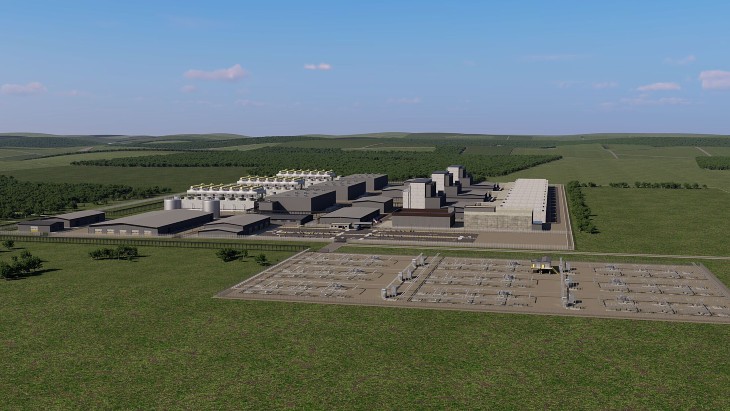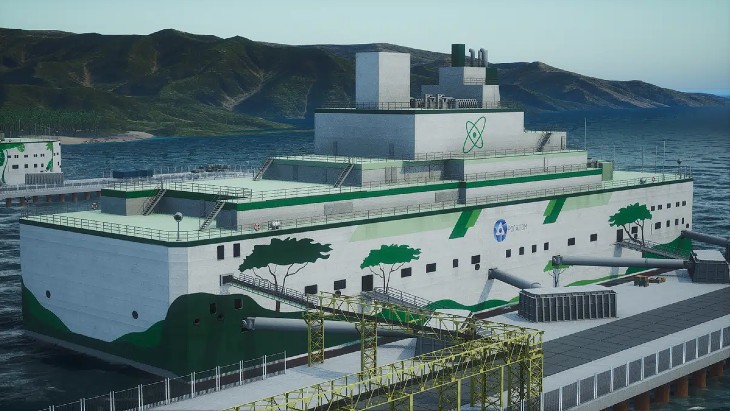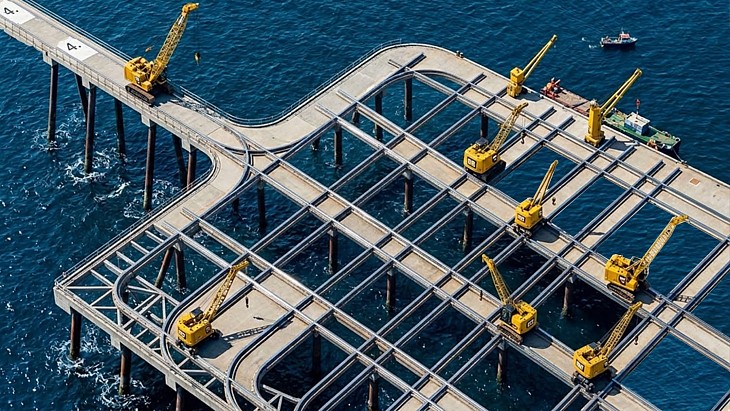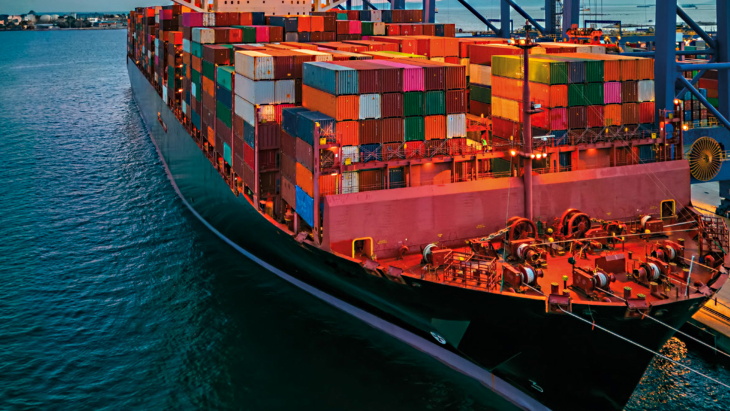
"Advanced nuclear technologies are shifting from the theoretical into practical consideration for ports and the maritime sector," the paper says. "Advanced nuclear technology could reshape port environments, maritime operations and industrial energy systems. It offers potential benefits in reliable low-carbon power, shore power, industrial heat, fuel production, vessel propulsion, resilience and high-value maritime services." Potential applications include nuclear-powered ships, floating or transportable nuclear power units, and land-based small modular reactors (SMRs) or microreactors to power port operations and support fuel production.
The paper - titled Advanced Nuclear Technology Use Within Port Environments - is intended as a briefing for port leaders, harbour authorities, terminal operators and policymakers. The report outlines how ports should treat nuclear as a long-term infrastructure and operating-model question, not simply as a new fuel. The most immediate actions are stakeholder engagement, evidence-building, regulatory engagement and integration of nuclear scenarios into established port safety-management systems and ways of working.
"Ports are becoming increasingly large electrical power consumers and some are exploring their own role in energy production," the paper says. "Electrified cargo-handling equipment, cold storage, shore power, electric fleets, industrial tenants, data centres, hydrogen production and synthetic fuel pathways are all increasing demand for reliable, low-carbon electricity. Small nuclear reactors can provide stable baseload power for ports and reduce reliance on regional grids, depending on power demand, site location, regulations, grid constraints, and cost. Ports are often located at the intersection of constrained grids, heavy industrial demand, strategic logistics and local air-quality or decarbonisation pressures.
"Nuclear offers a possibility to provide for these new or increasing demands in a compact, reliable, low-emission package that is inherently safe."
The study suggests advanced nuclear could give some ports a pathway to become clean-energy hubs. A single 100 MWe-class SMR could, in principle, meet the electricity needs of a medium-sized port and several associated industrial tenants. "The best candidates for port-based nuclear are likely to have large, steady and growing electricity demand, grid constraints, nearby energy-intensive industries, sufficient secure space, manageable site hazards, supportive regulatory or policy environments and strategic resilience needs. Detailed port-specific assessment is essential before any technology match or investment decision can be credible."
The paper calls on ports to integrate nuclear scenarios into their established marine safety-management systems, rather than create a parallel regime. "Existing disciplines used to manage dangerous goods, hazardous cargoes, security zones and high-consequence operations provide a strong foundation, but will need additional nuclear-specific evidence, competence, monitoring and regulatory interfaces."
It finds that the most significant barriers are not solely technical. Regulatory alignment, governance, emergency preparedness, liability, insurance, workforce capability and public confidence will all be critical to safe and commercially viable deployment.
The paper proposes a tiered readiness model, enabling each port to adopt a proportionate level of ambition: from becoming 'nuclear-aware', with the ability to assess enquiries and engage authorities, through to 'nuclear-ready' and 'nuclear-enabled', or ultimately operating as a nuclear energy hub. Recommended no-regret actions include mapping stakeholders, assessing future energy demand and grid constraints, engaging regulators early and preparing clear, evidence-led communications for workforces and local communities. The report also sets out a staged pathway from initial orientation and feasibility assessment to development and delivery. This is designed to help ports build evidence and confidence before major capital is committed, recognising that advanced nuclear will not be appropriate for every location.
The paper concludes: "Advanced nuclear is not imminent for every port, nor is it a universal solution. But it is strategically significant and relevant to future energy demand such that port leaders should begin structured, proportionate planning in the near-term. The ports that do so will be better placed to make informed decisions, protect public confidence and shape the regulatory and commercial frameworks that will determine whether nuclear has a role in the next generation of maritime infrastructure."
"Advanced nuclear has the potential to transform ports from energy consumers into resilient, low-carbon energy and industrial hubs. But realising that opportunity will depend on more than technology alone," said Mark Tipping, Global Offshore Power-to-X Director at Lloyd's Register. "Ports need to further assess governance, proportionate assurance and early collaboration across the maritime and nuclear sectors. By starting that work now, port leaders can build the evidence, capability and public confidence needed to make informed decisions as the market develops."
British Ports Association CEO Richard Ballantyne added: "For ports, the opportunities for advanced nuclear go beyond receiving a nuclear-powered ship. They are already planning for significant changes in energy demand, infrastructure and the vessels they serve. Advanced nuclear may not be the right solution for every port, but it is important that the sector understands the potential applications and starts asking the right questions early on."